Painting
Many people approach painting with uncertainty.
"I'm afraid of colour."
"I don't know how to mix colours."
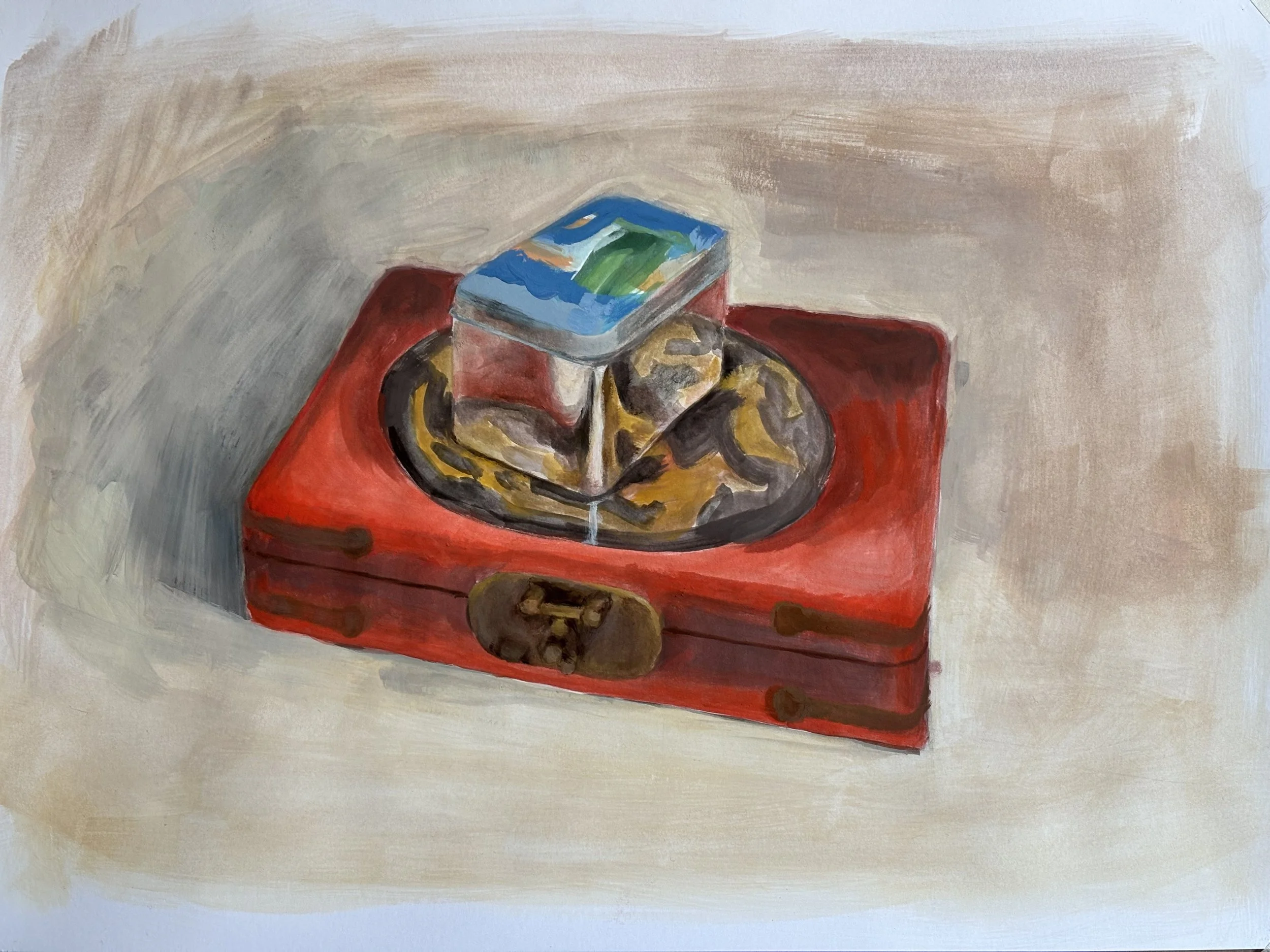
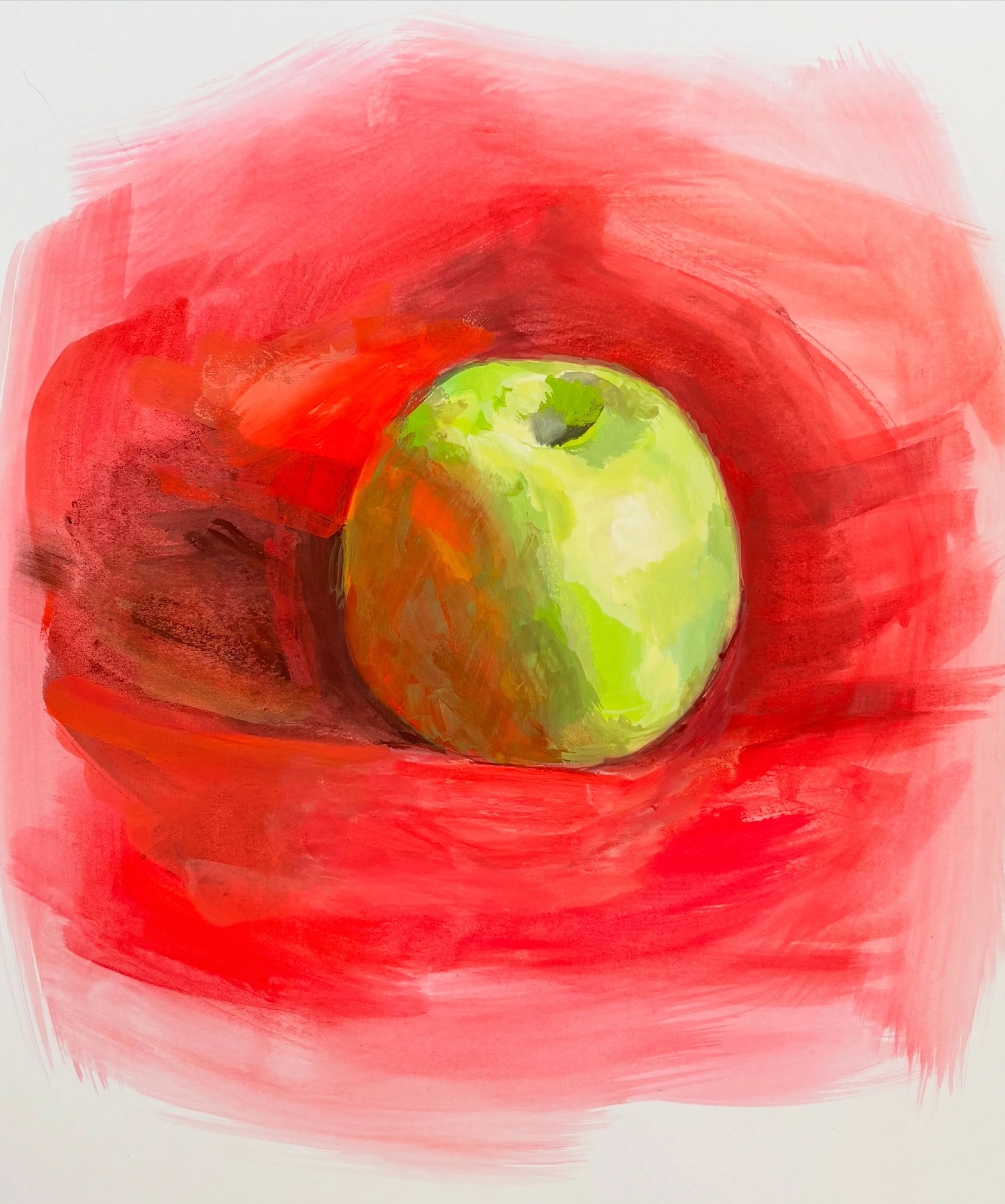
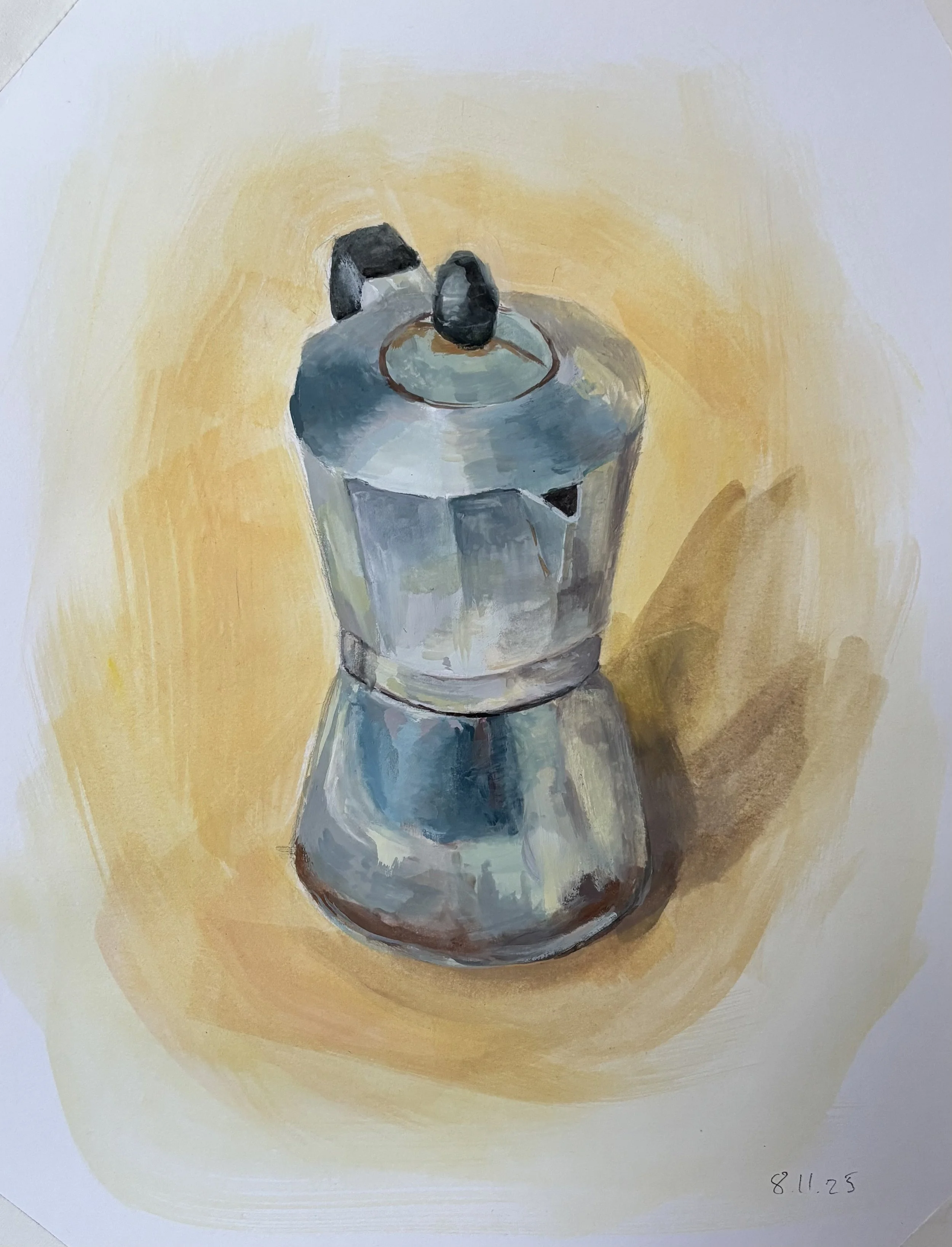
At Maksla Studio, painting doesn't begin with colour—it begins with learning to observe. Most students first build a solid foundation in drawing before gradually introducing colour through carefully observed still-life compositions. Working from life rather than photographs allows students to experience how colour, light and form interact in real space.
While drawing helps us understand structure and form, painting invites us to think in relationships. Every colour influences the colours around it. Every brushstroke affects the whole image. Rather than concentrating on individual objects, students learn to see the painting as a unified visual experience.
At the heart of every lesson is the same principle:
See. Know. Feel.
SEE
See the painting as a whole before its individual parts.
KNOW
Understand how colours influence one another.
FEEL
Ask yourself what the painting feels like.
Before picking up a brush, students are encouraged to step back and look at the composition as a whole. Does it feel light or dark? Quiet or dramatic? Built on strong contrasts or subtle transitions? Those first impressions become the foundation for every decision that follows. Rather than painting one object at a time, students learn to build harmony, balance and atmosphere across the entire image.
Painting also introduces the language of the medium itself. Students work primarily with watercolour and gouache, exploring colour mixing, transparency and opacity, the absorbency of paper, and different approaches to brushwork. Rather than being taught as isolated techniques, these qualities are explored as ways of expressing visual relationships with greater sensitivity and control. Students wishing to explore oil painting can also be supported on an individual basis.
As with drawing, every student follows an individual programme within a small group of up to four students. Each student works on different tasks, progressing at their own pace while receiving regular one-to-one guidance throughout every lesson.
The sessions are 90 minutes long and cost £35.